
Overview: The best outdoor kitchen designs in Colorado Springs are not the ones with the most expensive appliances or the flashiest features. They are the ones homeowners actually use week after week because the layout works, the space feels comfortable, and the design fits Colorado’s climate and lifestyle. A gorgeous grill shoved into a windy corner beside a lonely mini fridge is not an outdoor kitchen. It is patio jewelry. Expensive patio jewelry.
Why Some Outdoor Kitchens Become the Center of the Backyard
The best outdoor kitchen designs are built around how people actually live outside. That sounds obvious until you see how many outdoor kitchens are designed like showroom displays instead of usable gathering spaces.
In Colorado Springs, outdoor kitchens work best when they account for:
• Wind exposure
• Sun and heat
• Traffic flow
• Seating and conversation
• Cooking convenience
• Shade and shelter
• Year-round usability
A functional outdoor kitchen should feel connected to the rest of the yard, not isolated in a random corner because “that’s where the gas line fit.”
Overview: Outdoor Kitchen Design Factors That Matter Most
Outdoor kitchen design in Colorado Springs should prioritize layout, comfort, climate durability, and how homeowners actually entertain. The most successful projects focus less on oversized feature lists and more on creating a usable outdoor living space that naturally supports cooking, gathering, dining, and relaxation.
Important outdoor kitchen design considerations include:
• Cooking and prep workflow
• Seating placement
• Wind and sun exposure
• Shade structures and lighting
• Utility planning
• Storage and cleanup access
• Patio integration
• Seasonal usability
• Drainage and material durability
Why Functional Layout Matters More Than Fancy Features
Many homeowners start planning with appliance wish lists. Pizza ovens, beverage coolers, built-in smokers, and outdoor TVs can all be worthwhile additions when they support how the space will actually be used.
But the layout determines whether the kitchen feels enjoyable or awkward to use. A great outdoor kitchen allows people to cook comfortably while staying connected to conversation and activity around them.
A great outdoor kitchen allows people to:
• Cook without blocking conversation
• Move naturally between prep and serving areas
• Access seating easily
• Stay comfortable in sun and wind
• Keep guests nearby without crowding the cooking zone
In other words, the best outdoor kitchens support human behavior. Which is refreshing because most modern design trends seem determined to ignore how humans actually function.
What Homeowners Often Get Wrong
One common mistake is assuming larger automatically means better. In reality, oversized outdoor kitchens often create dead space, poor traffic flow, and expensive features that rarely get used.
Large outdoor kitchens can also increase maintenance requirements and construction costs without improving the overall experience. The goal should be creating a space that feels natural and comfortable rather than oversized for the sake of appearances.
Oversized kitchens often create:
• Dead space
• Poor traffic flow
• Underused appliances
• Higher maintenance
• Increased construction costs
Another common issue is designing around appliances instead of around experiences. Most homeowners are really imagining family dinners, casual evenings, entertaining friends, and relaxing outdoor time together.
The kitchen should support those moments. That means the surrounding patio, seating, lighting, shade, and circulation matter just as much as the grill itself.
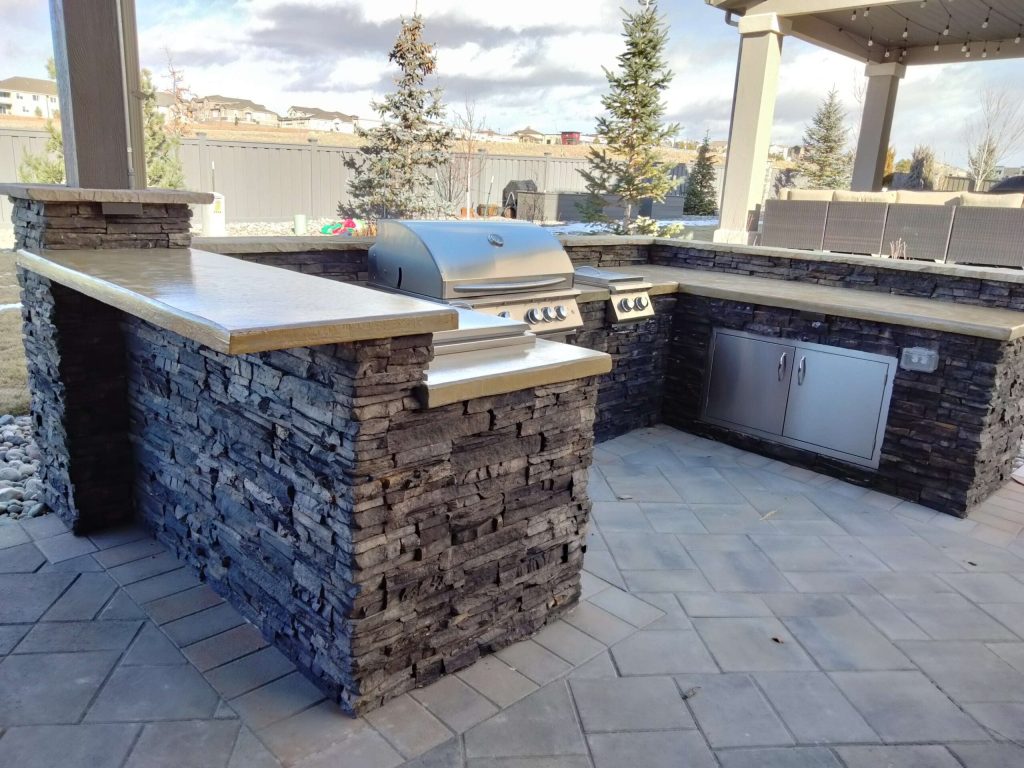
Outdoor Kitchen Features That Actually Improve Usability
Shade and Shelter
Colorado Springs sun exposure is intense, especially at higher elevations. Without shade, outdoor kitchens can become uncomfortable during summer afternoons and less usable during parts of the day.
Popular shade solutions include:
• Pergolas
• Covered patios
• Pavilion structures
• Retractable shade systems
Shade also protects appliances and surfaces from long-term UV exposure. In many projects, shade structures become just as important as the kitchen itself because they improve comfort so dramatically.
Integrated Seating
People naturally gather near food. The most functional outdoor kitchens create comfortable seating nearby without turning the cooking zone into a traffic jam.
That may include:
• Counter seating
• Dining tables
• Lounge seating
• Fire feature integration
Good seating placement helps the kitchen feel social instead of isolated. It allows the cook to stay connected to guests rather than disappearing into a separate work zone.
Lighting for Evening Use
A surprising number of outdoor kitchens are beautiful during the day and practically unusable after sunset. Lighting design plays a huge role in extending how often the space actually gets used.
Layered lighting improves:
• Safety
• Ambience
• Cooking visibility
• Traffic flow
• Year-round usability
Well-placed lighting also helps outdoor spaces feel warmer and more inviting during evenings. In Colorado Springs, where temperatures often cool nicely after sunset, evening usability matters a lot.
Smart Utility Planning
Outdoor kitchens often require coordination between gas lines, electrical service, drainage, water lines, and appliance ventilation. Planning these systems early helps avoid awkward retrofits later.
Because nothing says “careful planning” quite like tearing apart a finished patio to reroute conduit someone forgot about. Outdoor kitchens usually function best when utility planning happens at the beginning instead of becoming a last-minute scramble.
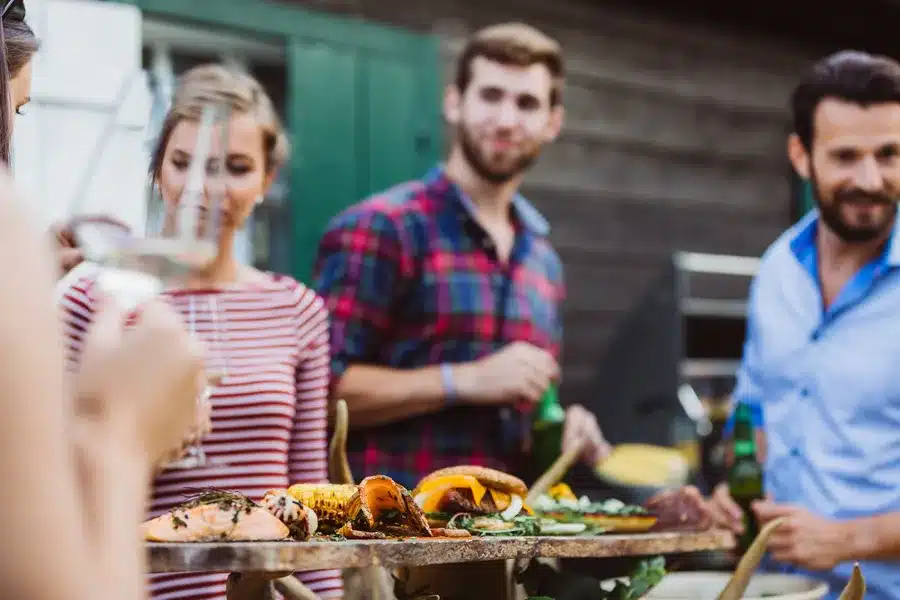
Colorado Springs Design Realities
Outdoor kitchens in Colorado Springs face conditions many national design articles completely ignore. Freeze-thaw cycles, intense UV exposure, wind, and sudden weather changes all affect how outdoor spaces perform long term.
Projects here often need to account for:
• Freeze-thaw cycles
• Wind exposure
• High-altitude UV intensity
• Sudden weather swings
• Snow load considerations
• Sloped backyards
• Drainage management
Material selection matters heavily in this climate. Countertops, cabinetry, stone surfaces, and appliances all perform differently under Colorado conditions.
For outdoor living guidance and hardscape durability standards, both the National Association of Landscape Professionals and Interlocking Concrete Pavement Institute provide useful industry resources.
Real-Life Scenario: The Difference Between Impressive and Useful
One homeowner may request a massive outdoor kitchen packed with appliances and oversized features. But after discussing how the family actually uses the backyard, the better solution may turn out to be much simpler and more functional.
That improved plan may include:
• A medium-sized grill station
• Better dining layout
• Comfortable shade coverage
• Integrated lighting
• Wind protection
• Nearby fire feature seating
The result often feels more relaxed, more social, and more functional than a massive appliance-heavy installation. The goal is not to impress people for six minutes during a barbecue. The goal is to create a backyard people genuinely want to spend time in.
Jake’s Designs’ Approach
At Jake’s Designs, outdoor kitchen projects begin with understanding how homeowners want to use the space first. The design process focuses on creating outdoor living areas that feel cohesive, comfortable, and durable in Colorado Springs conditions.
For additional inspiration and planning ideas, homeowners can explore the Outdoor Kitchen Services page.
Planning the Space
Outdoor kitchens should feel connected to the patio, seating areas, traffic flow, and surrounding landscape. The goal is to create one unified outdoor environment instead of several disconnected features.
That includes planning for:
• Dining zones
• Conversation areas
• Cooking access
• Shade and shelter
• Future outdoor features
Thoughtful planning also helps homeowners phase projects over time without making the yard feel unfinished or disjointed later.
Designing for Colorado Conditions
Colorado Springs outdoor living spaces need materials and layouts that perform well in sun, wind, snow, and seasonal temperature swings. Design decisions should account for durability just as much as appearance.
That affects everything from appliance placement to lighting design and surface materials. Outdoor kitchens that ignore local climate realities often require more maintenance and experience faster wear.
Choosing Materials and Features
The best outdoor kitchens balance aesthetics with durability and maintenance expectations. Material selection should support both the visual style of the property and the practical realities of long-term ownership.
Some homeowners want a sleek modern appearance. Others prefer natural stone and warmer textures. The right design depends on the property, the architecture, and how the space will actually be used.
Building for Long-Term Use
A functional outdoor kitchen should continue working well years after installation. That requires thoughtful construction methods and careful planning behind the scenes.
That means planning for:
• Durable construction methods
• Utility access
• Drainage management
• Weather-resistant materials
• Cohesive integration with the full outdoor space
The best outdoor kitchens are the ones homeowners still enjoy years later because the space continues to function naturally and comfortably.
Trends Shaping Outdoor Kitchen Projects Right Now
Smaller Kitchens With Better Layouts
Many homeowners are prioritizing smarter layouts over oversized installations packed with rarely used features. A well-designed medium-sized kitchen often feels more comfortable and more functional than an enormous setup filled with appliances nobody touches after the first summer.
Multi-Use Outdoor Living Spaces
Outdoor kitchens increasingly connect with dining patios, fire features, lounge seating, and entertainment areas. Homeowners want outdoor spaces that support multiple activities naturally instead of feeling divided into separate disconnected zones.
These integrated outdoor spaces often feel more welcoming and easier to use for both everyday living and entertaining.
Low-Maintenance Materials
Colorado homeowners are placing more emphasis on materials that handle weather exposure while minimizing upkeep. Durability and ease of ownership are becoming bigger priorities than trend-driven finishes that require constant maintenance.
That shift is influencing everything from countertop selection to hardscape materials and lighting systems.
Longer Outdoor Seasons
Heaters, fireplaces, pergolas, and layered lighting systems are helping homeowners use outdoor spaces well beyond summer. Many Colorado Springs homeowners now want outdoor environments that remain comfortable during spring, fall, and even mild winter evenings.
The result is outdoor living spaces that feel more like true extensions of the home instead of seasonal extras.
Next Step
If you are planning an outdoor kitchen in Colorado Springs, start by thinking less about appliance catalogs and more about how you actually want the space to feel and function. The most successful projects usually begin with better planning, not simply bigger budgets.
A design consultation can help clarify:
• Layout priorities
• Utility planning
• Shade strategies
• Seating flow
• Material options
• Long-term usability
The most successful outdoor kitchens usually begin with a better plan, not a bigger grill.
Summary
Outdoor kitchen design in Colorado Springs works best when it prioritizes usability, comfort, layout, and climate durability instead of simply adding more features. The kitchens that get used most are the ones that feel connected, relaxed, and easy to live in.
Click to schedule a landscape design consultation with a local Colorado Springs landscape design expert.
Frequently Asked Questions on this Topic
What makes an outdoor kitchen functional instead of just decorative?
A functional outdoor kitchen supports how people naturally cook, gather, and move through the backyard. That includes proper spacing, comfortable seating, shade, lighting, and smart workflow between prep, cooking, and serving areas. In Colorado Springs, wind exposure and sun intensity also affect how usable the space feels throughout the day. A beautiful kitchen that is uncomfortable or awkward to use often ends up underutilized.
Do outdoor kitchens increase home value in Colorado Springs?
Well-designed outdoor kitchens can improve both lifestyle value and property appeal, especially when integrated into a cohesive outdoor living space. Colorado Springs homeowners increasingly view outdoor entertaining spaces as extensions of the home itself. Features like patios, fire features, shade structures, and outdoor kitchens often make a property feel more complete and usable. The strongest value usually comes from thoughtful design rather than oversized feature lists.
What appliances are most worth including in an outdoor kitchen?
For many homeowners, the most-used features are often the simplest: a quality grill, practical prep space, refrigeration, and nearby seating. Additional appliances like pizza ovens, smokers, or beverage stations can be worthwhile if they match how the family actually entertains. In Colorado Springs, weather exposure and maintenance requirements should also influence appliance selection. The goal is to prioritize features that genuinely improve daily use instead of adding visual clutter.
What outdoor kitchen materials hold up best in Colorado’s climate?
Outdoor kitchens in Colorado Springs need materials that tolerate freeze-thaw cycles, UV exposure, snow, and rapid temperature swings. Natural stone, high-quality masonry, weather-resistant cabinetry, and durable countertop materials generally perform best over time. Proper installation and drainage planning matter just as much as the material itself. Choosing products designed specifically for exterior use helps reduce maintenance and long-term deterioration.
Should an outdoor kitchen be covered?
In many Colorado Springs projects, some form of shade or cover greatly improves comfort and usability. Pergolas, pavilions, or covered patios help reduce sun exposure, improve weather protection, and make the kitchen more enjoyable during hot afternoons or light rain. Cover structures can also protect appliances and finishes from UV damage. The right solution depends on the property layout, sun orientation, and overall outdoor living design.