
Summary: Retaining wall ideas for a Colorado Springs sloped yard are about more than managing elevation changes. Thoughtfully designed retaining walls can create usable outdoor living spaces, improve drainage, define gathering areas, and enhance the beauty of your landscape. Including retaining walls as part of a comprehensive landscape design helps transform a sloped backyard into a functional space you’ll enjoy for years to come.
A Retaining Wall Can Transform More Than Your Landscape
Retaining wall ideas for Colorado Springs sloped yards often begins as a solution for managing elevation changes, but the best designs do much more than stabilize a hillside. They create usable outdoor living space, improve landscape flow and add lasting beauty to the property.
Across Colorado Springs, many homes are built on sloped lots that can make patios, gardens, and gathering spaces difficult to enjoy. Rather than seeing those changes in elevation as obstacles, thoughtful landscape design uses retaining walls to shape the property into functional outdoor spaces that feel connected, inviting, and intentional.
Think Beyond a Structural Wall
Retaining wall ideas for Colorado Springs sloped yards do not have to be limited to function only.
When incorporated into a comprehensive landscape design, it can become:
- Built-in seating around a fire feature
- Raised planting beds
- A border for an outdoor kitchen or patio
- A backdrop for landscape lighting
- A natural transition between outdoor living areas
- A way to frame mountain views
Instead of standing apart from the landscape, a well-integrated retaining wall can become one of its defining features.
Work With the Natural Terrain
Flattening a sloped yard isn’t always the best solution.
At Jake’s Designs, our professional landscape designers often embrace the existing grade by creating terraces that follow the property’s natural contours. One level may accommodate a patio near the home, while another level provides space for a dining area, a fire feature, or a lawn.
This layered approach adds visual interest, improves traffic flow, and often makes the backyard feel larger than a single flat space.
The result is a landscape that feels like it belongs to the property instead of competing with it.
Every Wall Should Support the Overall Landscape Design
Retaining walls influence much more than elevation.
They affect drainage, walkways, planting areas, patios, lighting, and the way people move through the backyard. That’s why it’s important to consider the entire landscape before deciding where to build a wall.
During the planning process, homeowners should think about:
- Outdoor gathering spaces
- Traffic flow
- Mountain views
- Drainage
- Future additions such as pergolas, fireplaces, or outdoor kitchens
- How hardscaping and landscaping will work together
Planning with the complete outdoor environment in mind helps ensure every improvement contributes to a cohesive vision.
Related Reading: Backyard Kitchen Layout Ideas for Sloped Yards in Colorado Springs
Beauty and Function Should Always Work Together
The most successful retaining walls rarely become the center of attention.
Instead, they quietly support the spaces around them.
A seating wall invites conversation around a fire feature. Raised planting beds soften stone patios with seasonal color. Broad stone steps create comfortable transitions between outdoor living areas, while integrated landscape lighting adds both safety and ambiance after sunset.
When retaining wall ideas for Colorado Springs sloped yards serve multiple purposes, they become more than structural features. They help create an outdoor living space that’s attractive, functional, and enjoyable throughout the year.
Choose Materials That Complement Your Home
The right retaining wall material should do more than support the landscape—it should complement your home’s architecture and the surrounding outdoor living spaces.
Colorado Springs homeowners have several attractive options, including natural stone, engineered concrete wall systems, decorative masonry, and manufactured stone veneers. Each offers its own texture, color, and style.
Rather than selecting a material on its own, consider how it will coordinate with patios, walkways, fireplaces, outdoor kitchens, and planting beds. Repeating complementary materials throughout the landscape creates a cohesive, thoughtfully designed backyard.
Let the Landscape Shape the Design
Retaining walls don’t always have to follow straight lines.
Gentle curves often mirror the property’s natural contours, creating a softer appearance while defining outdoor rooms and guiding movement through the yard. Straight walls, by contrast, tend to complement contemporary homes with clean architectural lines.
Neither approach is universally better. The best design reflects the home’s style, the property’s layout, and how the space will be used.
When retaining walls feel like a natural extension of the landscape, they enhance the property without dominating it.
Make Elevation Changes Feel Natural
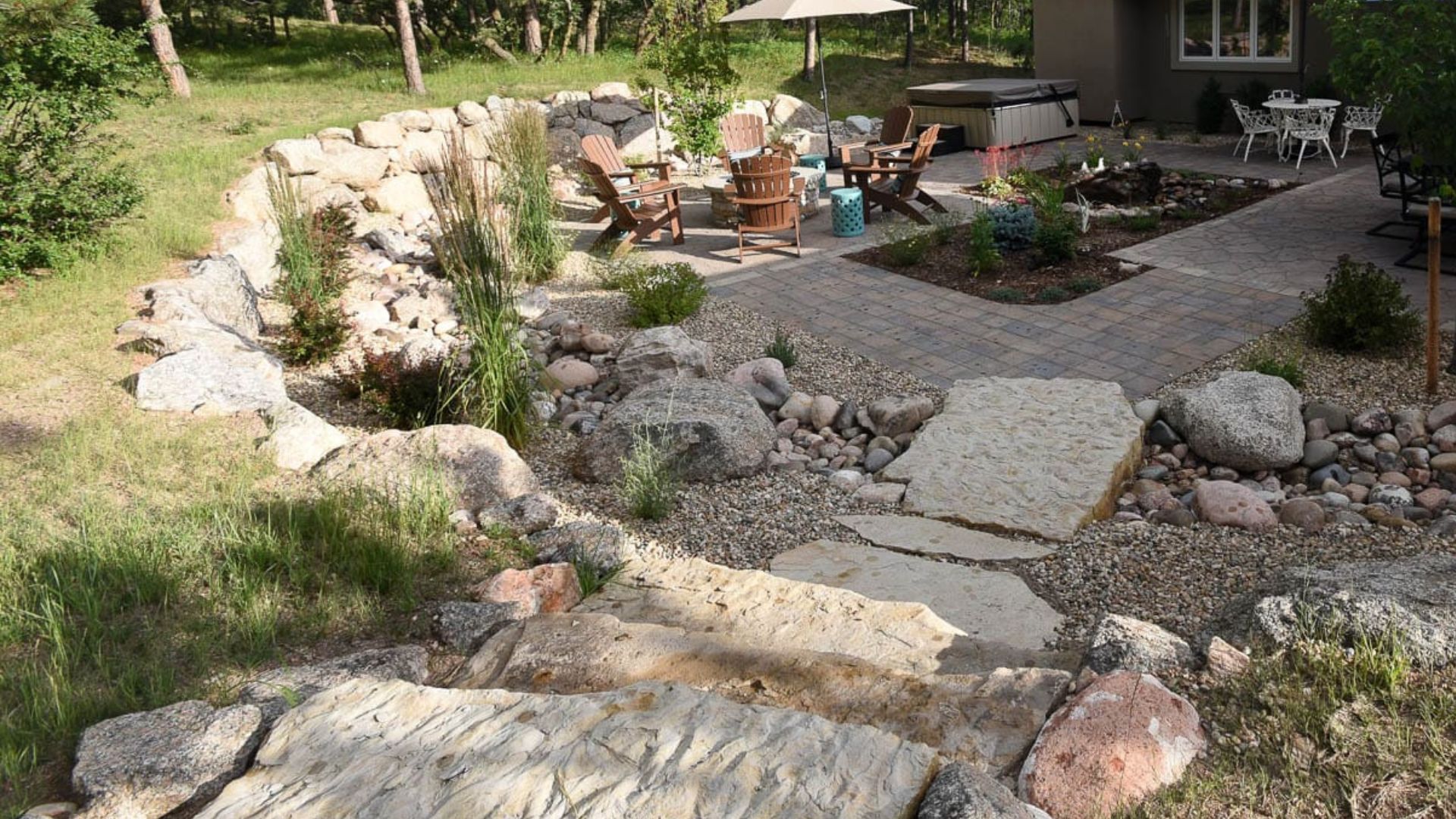
On sloped properties, stairs are often unavoidable—but they shouldn’t feel like an afterthought.
Wide stone steps, generous landings, and integrated retaining walls create comfortable transitions between patios and gathering spaces while making the backyard easier to navigate.
Designing these elements together improves both safety and appearance, helping every level of the landscape feel connected.
Add Function with Built-In Seating
Retaining walls can do more than define the landscape—they can also create additional seating.
Built-in seating walls provide space for guests without crowding the patio with extra furniture. They’re especially effective around fire features, outdoor dining areas, and entertaining spaces where people naturally gather.
By serving multiple purposes, seating walls improve both functionality and the overall flow of the backyard.
Soften Stone with Thoughtful Landscaping
The most inviting landscapes balance hardscape with planting.
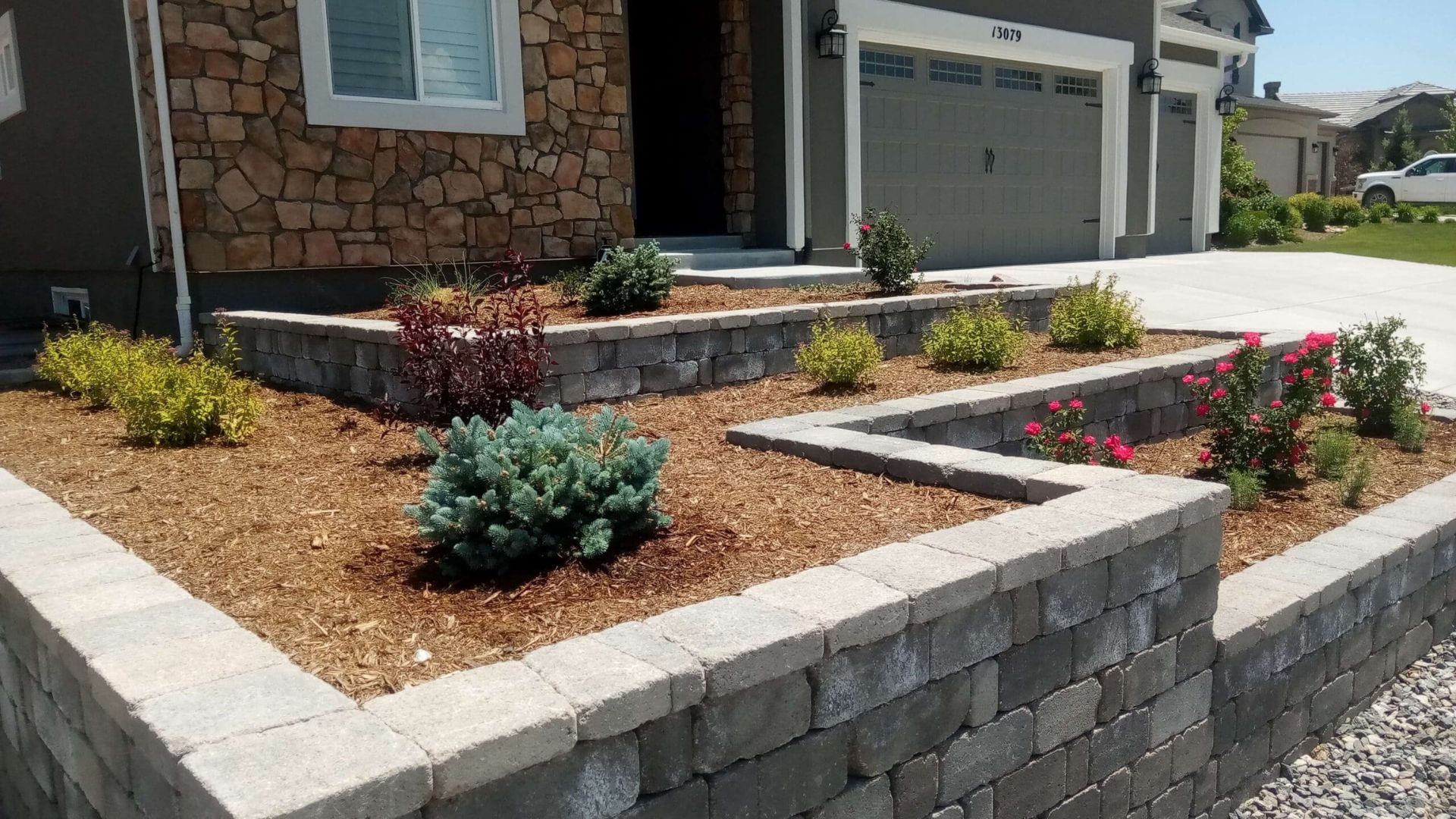
Layered planting beds soften the appearance of retaining walls while introducing seasonal color, texture, and movement. Drought-tolerant perennials, ornamental grasses, evergreen shrubs, and carefully selected flowering plants all contribute to year-round interest while supporting water-wise landscaping practices.
As the landscape matures, these plantings help retaining walls feel like a natural part of the property rather than a standalone feature.
Extend the Space with Landscape Lighting
A retaining wall shouldn’t disappear after sunset.
Subtle landscape lighting highlights architectural details, improves safety along walkways and stairs, and keeps the backyard functional and welcoming well into the evening.
Lighting tucked beneath seating walls, integrated into steps, or placed within nearby planting beds creates ambiance without overwhelming the landscape.
The goal is simple: make the backyard feel just as welcoming after dark as it does during the day.
You Might Like: Common Landscape Lighting Mistakes Homeowners Make
Avoid Common Design Mistakes
Retaining walls are long-term investments, so careful planning pays off.
One of the most common mistakes is treating a retaining wall as an isolated project rather than part of the overall landscape. Others include choosing materials that don’t complement the home, overlooking drainage, or failing to consider future additions.
Whether you’re planning an outdoor kitchen, fire feature, pergola, or expanded patio, designing with the future in mind helps every improvement fit seamlessly into the larger outdoor living environment.
Turn a Challenging Backyard Into Your Favorite Outdoor Space
Every property has its challenges.
Some backyards are narrow. Others include mature trees, unusual layouts, or significant elevation changes. The most successful landscape designs don’t try to erase those characteristics—they use them to create something unique.
That’s especially true for sloped properties throughout Colorado Springs.
Instead of seeing a hillside as a limitation, thoughtful retaining wall design transforms changes in elevation into patios, gardens and gathering spaces, while giving the landscape a more layered, visually interesting appearance.
Design Around Your Lifestyle
A retaining wall should do more than support the landscape—it should support the way your family enjoys the backyard.
For homeowners who love entertaining, retaining walls can define outdoor rooms that connect patios, dining areas, outdoor kitchens, and fire features. Families with children may appreciate level lawn areas created through terracing, while gardeners often enjoy raised planting beds that make flowers and shrubs easier to maintain.
The latest trend doesn’t necessarily determine the best design. It’s shaped by the way you want to live outdoors.
Plan for the Future
One of the greatest advantages of a comprehensive landscape design is flexibility.
A retaining wall built today can support tomorrow’s improvements, whether that’s a pergola, outdoor kitchen, expanded patio, or landscape lighting.
Planning those possibilities before construction begins allows each new feature to fit naturally within the original design, reducing unnecessary reconstruction and helping the backyard evolve over time.
A long-term vision often creates better results than a series of unrelated projects.
More Than a Retaining Wall
Homeowners rarely remember a retaining wall because of its construction.
They remember the spaces it helped create.
The seating wall where family gathers around the fire.
The terraced garden that bursts with color each spring.
The broad stone steps that make the backyard feel welcoming instead of difficult to navigate.
The retaining wall quietly supports those experiences while everything around it comes to life.
That’s the difference thoughtful landscape design makes.
Make the Most of Your Colorado Springs Sloped Yard
A retaining wall ideas Colorado Springs sloped yard project is about much more than managing elevation changes. It’s an opportunity to enhance the beauty, functionality, and long-term value of your property while creating outdoor spaces that reflect how you live.
When retaining walls are planned alongside patios, walkways, planting beds, lighting, and future outdoor living features, the entire landscape functions as a cohesive environment. Instead of solving a single problem, thoughtful design transforms a sloped backyard into an inviting space that’s ready to be enjoyed throughout every season.
If you’re considering improvements to a sloped property, starting with a comprehensive landscape design can help you explore creative solutions that make the most of your home’s natural character while supporting your long-term vision.
Click to schedule a landscape design consultation with a local Colorado Springs landscape design expert.
Frequently Asked Questions on this Topic
Do all sloped yards need retaining walls?
Not necessarily. The need for a retaining wall depends on the property’s grade, drainage, and how you want to use the space. A professional landscape design can help determine if a retaining wall is the best solution for creating safe, functional outdoor living areas.
What materials work best for retaining walls in Colorado Springs?
Natural stone, engineered concrete wall systems, and quality masonry products are all excellent choices for Colorado’s climate. The best material depends on your home’s architecture, the landscape, and the design of your outdoor living space.
Can retaining walls create more usable backyard space?
Yes. Retaining walls can transform steep slopes into level patios, seating areas, planting beds, and gathering spaces. When incorporated into a complete landscape design, they often make a backyard feel both larger and easier to enjoy.
Can retaining walls be built in phases?
Absolutely. Many homeowners begin by creating level outdoor living areas, then add patios, outdoor kitchens, fireplaces, pergolas, or lighting over time. Planning for those future improvements early helps each phase blend seamlessly into the original design.
Why should retaining walls be part of a complete landscape design?
Retaining walls influence drainage, walkways, patios, planting beds, lighting, and future improvements. Designing them as part of the entire landscape creates a more cohesive, functional outdoor living environment while allowing the space to adapt as your needs change.